
Ideas for your
next decision.
A fresh perspective starts here.Explore insights and case narratives across business, people, industry and technology. Find a question worth thinking about.
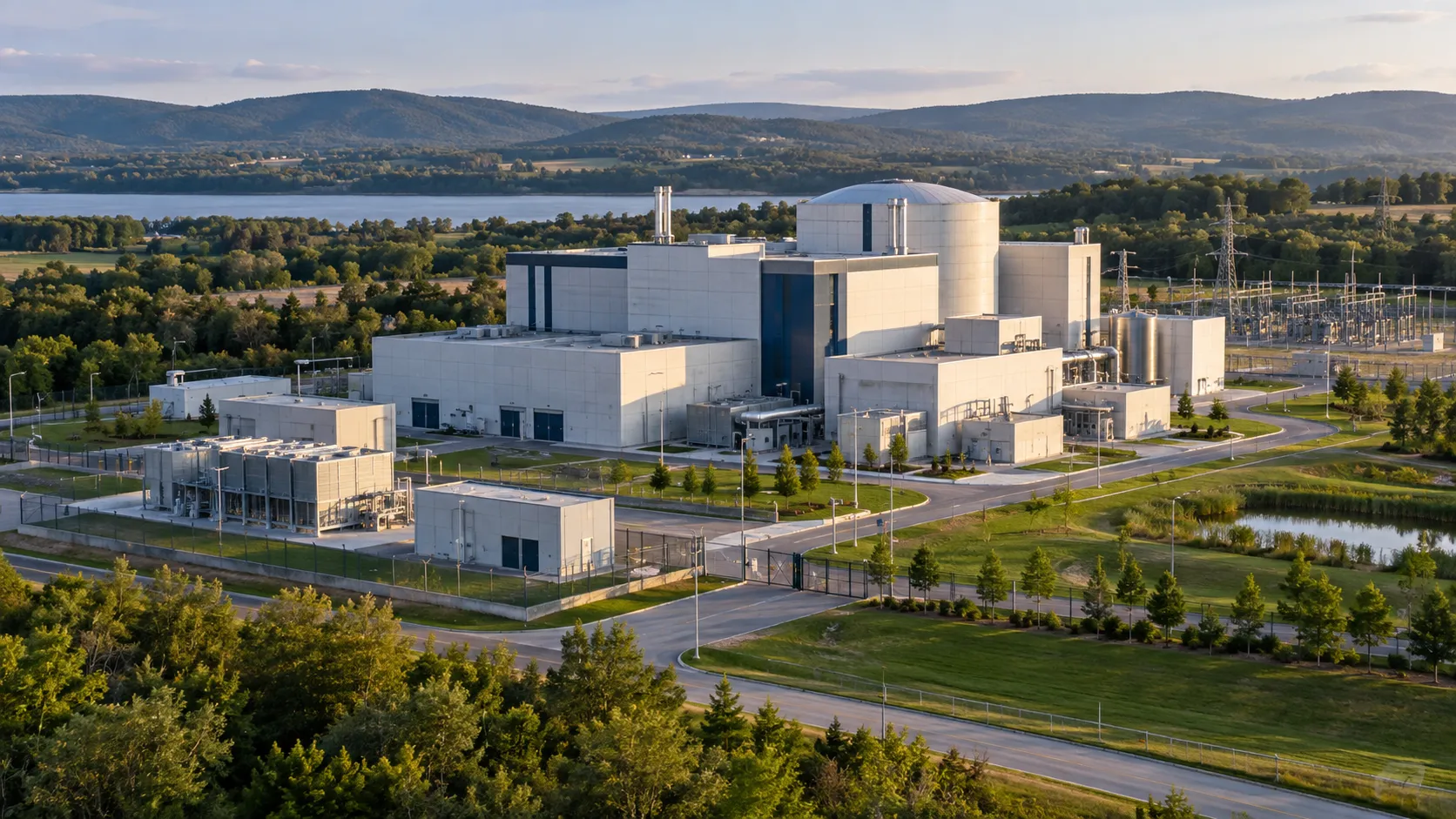
Small Modular Reactors: Expectations, Reality and Their Role in Decarbonization
Smaller nuclear plants promise flexibility and simpler construction. Their climate value depends on cost, credible delivery and where their energy is needed.
Explore by capability.
Find the latest thinking in each area. Explore a row, or open the full collection.























Browse the complete collection
All articles
Newest first · Up to 12 articles per page
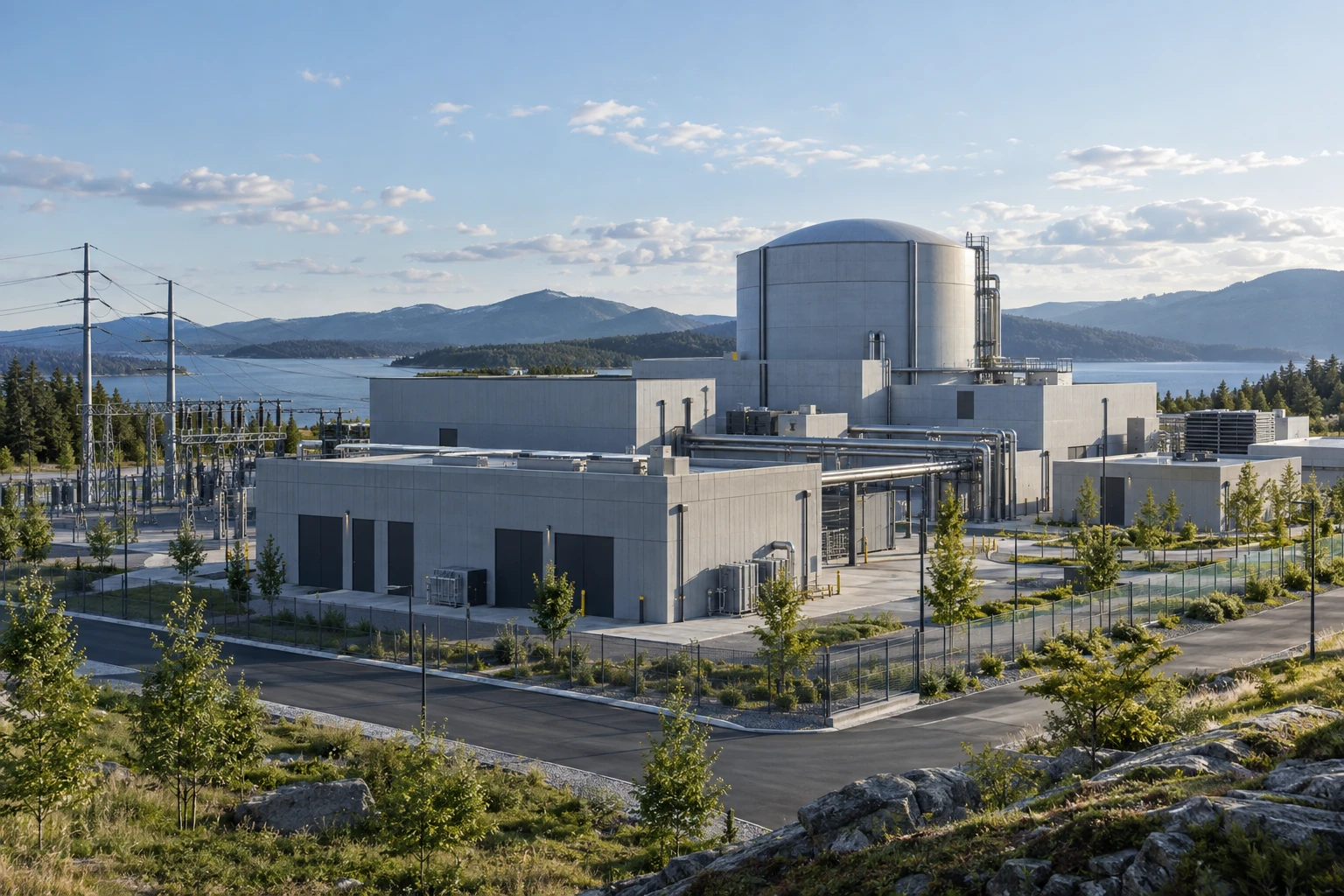
Small Modular Reactors: Expectations, Reality and Their Role in Decarbonization
Smaller nuclear plants promise flexibility and simpler construction. Their climate value depends on cost, credible delivery and where their energy is needed.
The value of sharing Near Misses and Learning from Accidents
An anonymous petrochemical plant case explores how easier reporting, action follow-up and shared lessons can strengthen the way people learn from risk.
Effective Management of Change (MOC)
An anonymous refinery narrative shows how equipment, controls, operating conditions and people can be reviewed together through Management of Change.
Death of Elon Musk’s Hyperloop, The Next is Direct-air Capture (DAC)
Technical promise becomes more informative when it is tested against energy needs, operating conditions and a complete carbon balance. Direct air capture offers a useful example of that discussion.
The Importance of Risk Assessment in Safety Engineering
An anonymous petrochemical expansion example explores how a structured review can connect process hazards, failure scenarios and proposed safeguards.
Too Small to be Viable, Small Modular Nuclear Reactors (SMNRs)
A smaller generating unit changes the balance between scale, repeatability and project requirements. Feasibility depends on the particular technology, intended use and assumptions behind the comparison.
Energy Return on Investment (EROI), Issue of Sustainability
Energy Return on Investment compares the energy delivered with the energy needed to obtain it. Its value lies in a clear boundary and a careful interpretation of the surplus available for other uses.
The Key Concern with Biofuels
A biofuel assessment becomes clearer when it follows the feedstock, energy and land requirements through the whole pathway, then compares the result with the intended use.
Top 10 Mistakes Kill Timing in Your New Product Launch in the Chemical Industry.
Product evidence, supply readiness and customer understanding develop at different speeds. A shared readiness view helps teams discuss those dependencies before committing to a launch.
Benefiting from a “Green Premium” ? What would We Capture and Why would We Need It ?
A lower-impact product may cost more at first. Understanding who pays, what changes over its lifetime and which benefits are supported by evidence makes the comparison more useful.
Industrial Heat Pumps: Even It is Hard to Implement, But Non-Negotiable.
Industrial heat pumps can move available heat to a more useful temperature. Their potential depends on the temperature gap, the process demand and how the system fits the site’s energy and operating conditions.
10 Common belief but False Idea on Net Zero Emission
Net zero becomes easier to discuss when emissions, responsibilities and technology choices are considered together. These ten questions help turn a broad ambition into a more complete plan.
Can We Believe the Simulation Results ?
Confidence comes from understanding the model, checking its inputs and comparing its behavior with evidence from the system it represents.
The Laws of Thermodynamics: Make Sure You Understand How It impacts to Decarbonization.
Energy quantity, energy quality and chemical conversion are related questions. Understanding their limits helps compare decarbonization pathways and identify useful improvements without expecting one innovation to remove every constraint.
Strategies for Reducing Cost and Schedules in Pilot Plants
Pilot cost and schedule depend on many connected choices. Start with the learning objective, then compare scale, equipment, measurements and the resources needed to answer it.
Bridging the Gap – Understand a Key Differences Between a Small Beakers to Larger Sizes.
Scale-up changes the evidence a project needs, alongside its equipment. A useful pathway connects laboratory learning with representative testing, sustained demonstration and commercial operating requirements.
To Make it Perfect: Where Should You Set Up Your Pilot/Demonstration Plant?
A suitable pilot or demonstration location supports the experiment, provides the needed resources and makes its interfaces manageable. Available space is only one part of that decision.
A Practical Guide to Create a Reasonable Marketing Plan for Chemical Technologies
A useful marketing plan connects technical potential with a customer need, a reachable market and a clear reason to choose your offer.
H2 or kWh – Evaluating the Potential of Hydrogen and Electron Economies in Decarbonization
The choice depends on the energy task, the supply infrastructure and the losses across the full pathway from production to use.
Between Aspiration and Reality: Decoding the Complexities of Decarbonization
A lower-carbon direction becomes more useful when it considers the economics, infrastructure and people needed to make the transition possible.
Unraveling the Mystery of Catalyst Deactivation: The Hidden Challenges in Catalyst Development
Initial activity is only part of a catalyst’s value. Chemical changes, deposits, particle damage and thermal effects can alter performance, so useful studies also examine stability and the conditions behind it.
Why Do Scaling Methods Impact your Process Development ?
Increasing the size of a unit and adding more units create different technical and organizational demands. The useful choice depends on the process, future needs and the resources around it.
Scaling the CCS: What are Technical Challenges ?
Carbon capture and storage connects several different systems. A useful feasibility study follows the interfaces, energy needs and responsibilities from the emission source to the storage location.
Transition from Lab Testing to Pilot Scale.
Moving to a pilot is a chance to examine behavior that a laboratory test may not fully represent. The study becomes more useful when reaction, transport and measurement questions are connected.
Understanding about “Levelized Cost of Energy (LCOE): What should we know, what should we do?
A consistent cost basis makes energy options easier to compare. Uncertainty and wider system costs still deserve a separate look.
How to maximize utilization of catalyst in commercial-scale fixed-bed reactor.
A catalyst’s intrinsic activity is only part of reactor performance. Transport from the bulk fluid to its surface can limit how much of that activity becomes useful.
What’s Challenges in Scaling up or down of Single-phase Catalytic Fixed-bed Reactors ?
A catalyst tested at one scale can behave differently at another when flow, diffusion and temperature change. A useful study separates these influences before interpreting performance.
Ensuring the Selection of Appropriate Lab-scale Reactor.
Different experiments need different kinds of evidence. Selecting a laboratory reactor starts with the parameter to measure and the conditions needed to interpret it.
What are Main Differences between Lab, Pilot, Demonstration and Commercial Plant in A Nutshell ?
These stages differ in purpose as well as size. Understanding the intended learning and operating conditions makes it easier to connect experimental evidence with a commercial-process decision.
Why is Ideal flow pattern crucial for upscaling Fixed-bed reactor ?
A laboratory result is easier to interpret when the flow pattern behind it is understood. Back-mixing and bypass can affect how a test represents the intended fixed-bed reactor.
Ensuring isothermality is important in lab and pilot-scale tests.
A temperature difference inside a small test reactor can change what a catalyst appears to do. Understanding that difference helps separate catalyst behavior from the behavior of the experiment.
How to properly apply inert bed dilution for catalyst testing in fixed-bed reactor
Mixing catalyst with an inert material can help manage a small reactor’s contacting and thermal behavior. The dilution itself also becomes part of the experiment that needs to be understood.
How to Conquer the Loop of Death Valley
A shared commercial and engineering basis can help development teams connect each experiment with a clearer next decision.
The Death Valley of Brand-new Technology Development.
A promising laboratory result needs a credible route to a workable process. Consider scale, operating constraints and economics while the design is still flexible.
No articles match yet.
Try a broader topic or choose another capability.