
When Expansion Should Wait and the Core Business Should Not
A weaker expansion case need not weaken the operating business. The decision turns on customer demand, achievable prices, usable capacity, and a clear route to the next investment review.
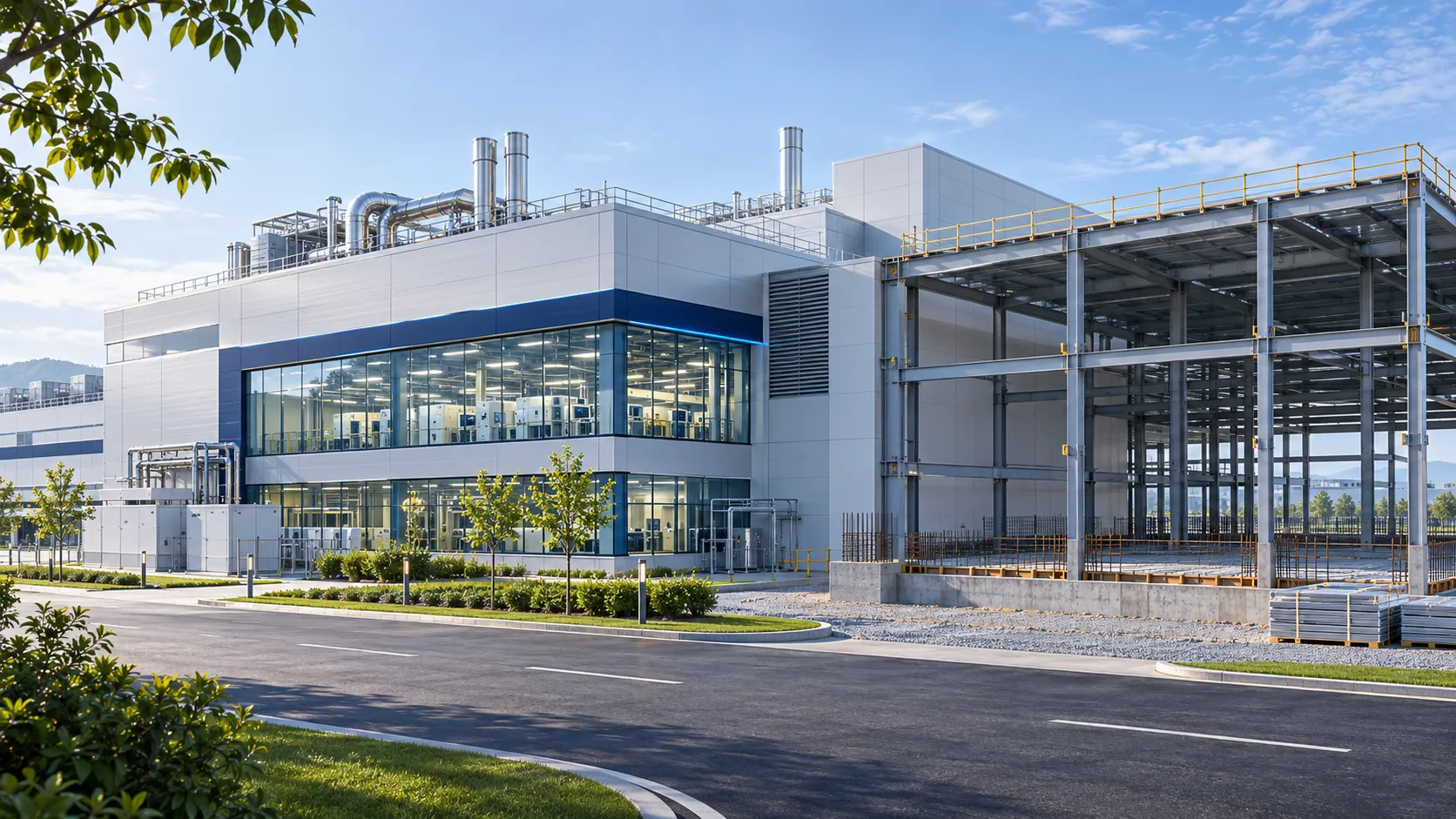
The short version
- An expansion decision and an operating decision need separate scopes, budgets, and explanations.
- Demand growth supports investment only when it reaches the proposed capacity at workable prices and timing.
- A pause needs a funded operating plan and explicit conditions for restarting, resizing, or closing the project.
A project can lose its case before a business loses its purpose
Consider a manufacturer with reliable deliveries and a proposed production line. The original forecast justified more capacity. Two years later, orders arrive later, competitors quote lower prices, and the existing network has room for growth. Proceeding protects the timetable, but may weaken cash flow. Canceling everything would confuse a questionable expansion with a useful business.
The decision is narrower. Which additional commitment earns its place, which existing capability must remain dependable, and what would change the answer? OSVARD’s assessment connects these questions, separating the economics of new capacity from the obligations and opportunities already served by current operations.
Define what is actually being stopped
On 6 November 2026, a semiconductor manufacturer and the Czech Ministry of Industry and Trade said they would not proceed with the planned silicon carbide expansion at Rožnov pod Radhoštěm. The company linked the decision to changing market conditions and project economics, while saying existing manufacturing would continue unaffected. This is a specific project decision, not an announcement that the site is closing (Company announcement).
The financial boundary matters too. The original June 2024 proposal described a multiyear investment of up to US$2 billion. That figure was the announced investment envelope. It is not a reported loss, a cancellation charge, or a saving realized by stopping the project. Those measures require their own accounts (Original investment proposal).
The first review should distinguish expenditure incurred, binding commitments, avoidable future spending, and the cost of preserving an option. Approving another phase cannot recover money already spent. Stopping may also create termination, preservation, or transition costs.
Demand needs a route into the plant
A growing end market is a starting point. Customer programs must select the product, complete qualification, begin production, and place orders on a schedule the factory can serve. A forecast should locate each program in that chain and identify uncertain volumes.
A weaker expansion case can coexist with stronger sales elsewhere. In results published on 2 November, the manufacturer reported third-quarter revenue up 11% year on year and AI data center revenue up 39% quarter on quarter. These company-reported results cover a different scope from the Czech project. They caution against treating one canceled expansion as a verdict on all demand (Third-quarter results).
The useful forecast is therefore organized by product, customer, application, and timing. Existing capacity may suit one growth opportunity but not another. Management needs a bridge from expected orders to the particular process and location proposed for expansion, including the downside if customer schedules move.
Price and utilization belong in the same model
A forecast may reach its unit target while customers negotiate prices below the original assumption. Utilization, the share of available production capacity used, affects how fixed operating costs are spread. Yield, the share meeting specification, determines how much usable output that activity produces.
A separate silicon carbide producer’s fiscal 2026 annual report described weaker automotive demand, pricing pressure, and higher costs from underused capacity. Its materials business also faced increased substrate supply. These are company-specific operating conditions, rather than a universal price index or a direct explanation of another producer’s decision. They illustrate why demand, price, and capacity require separate checks (Annual report, management discussion).
A review should vary these assumptions together. Lower prices combined with a slower production ramp may remove the return even where either change alone looks manageable. The comparison should include cash needed during ramp-up, maintenance, working capital, and financing. A good result at full capacity cannot substitute for a credible route to reaching it.
Compare the next commitments rather than defend the old plan
The table offers an OSVARD framework for comparing the next commitment and its conditions. It does not automatically favor a pause. Delaying may sacrifice qualified customer demand, increase restart costs, or lose a scarce supplier slot.
Each option should use the same demand scenarios and financial horizon. A smaller phase preserves flexibility unless duplicated infrastructure makes it uneconomic. Outsourcing avoids construction expenditure but may introduce qualification, quality, and delivery constraints. Visible trade-offs make recommendations easier to challenge before funds are committed.
Choices at the next capital review
| Choice | When it may fit | What needs protecting |
|---|---|---|
| Proceed | Qualified demand and workable prices support the proposed ramp | Delivery resources and enough cash for a slower ramp |
| Stage or resize | A smaller commitment serves credible near-term demand | Interfaces and space needed for a later phase |
| Pause | Important assumptions can be resolved before a major commitment | Existing operations and essential option-preservation work |
| Conclude | The updated case no longer justifies future commitments | Customer continuity and an orderly contract exit |
From market outlook to an investment decision
- 01Demand and usable output
Test orders, achievable prices, product mix, and usable capacity.
- 02Cash scenarios
Check ramp-up funding and cash needs under a downside case.
- 03Capital decision
Proceed, stage, pause, or conclude while protecting current delivery.
Keep the operating business funded and accountable
Employees, customers, and suppliers need a precise explanation of the reset’s scope. The operating plan should identify continuing products, service commitments, maintenance, engineering support, and approved improvements. A project freeze should not become an unfunded maintenance policy.
Operations should own delivery and asset condition. Commercial teams should refresh customer schedules and prices. Finance should distinguish future spending avoided from cash savings already recorded. A project owner should manage outstanding contracts and preservation work. Clear responsibilities make the reset workable without preserving unnecessary activities.
Targeted reliability improvements within the existing network may remain justified while expansion is deferred. Management should compare each decision’s costs with the capacity and business needs it would serve.
Make the next review capable of changing the answer
A useful pause has a review date, named decision makers, and observable conditions. These may include customer qualification, order coverage, current price quotations, demonstrated yield, or agreed financing. The team should state when preserving the option costs more than the opportunity warrants.
Restarting should require an updated case, rather than the passage of time. Continuing to wait should require an explanation too. The strongest reset leaves the operating business with clear commitments and the expansion with a decision that can move in either direction. Regular reviews let management respond to changing conditions instead of relying on an outdated forecast.