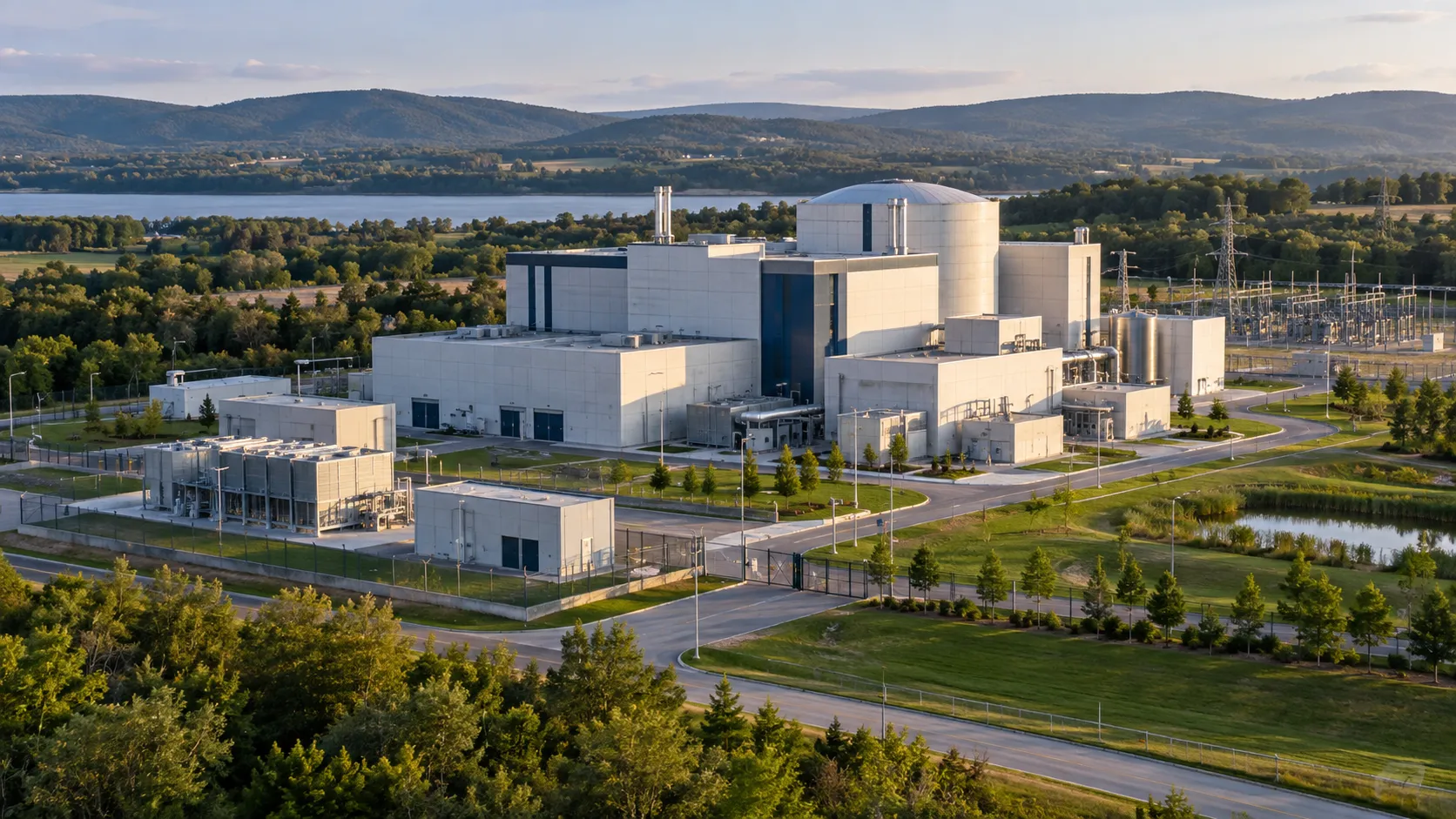
Engineering studiesUnderstand the technical basis.
Safety analysisExamine scenarios and safeguards.
Review reportsGive decisions a documented foundation.
Engineering & Safety
How we can help
The question shapes the study.
OSVARD supports technical decisions through desk-based engineering studies, calculations, technical drawings and document review. Choose a discipline to explore its focus, inputs and possible documents.
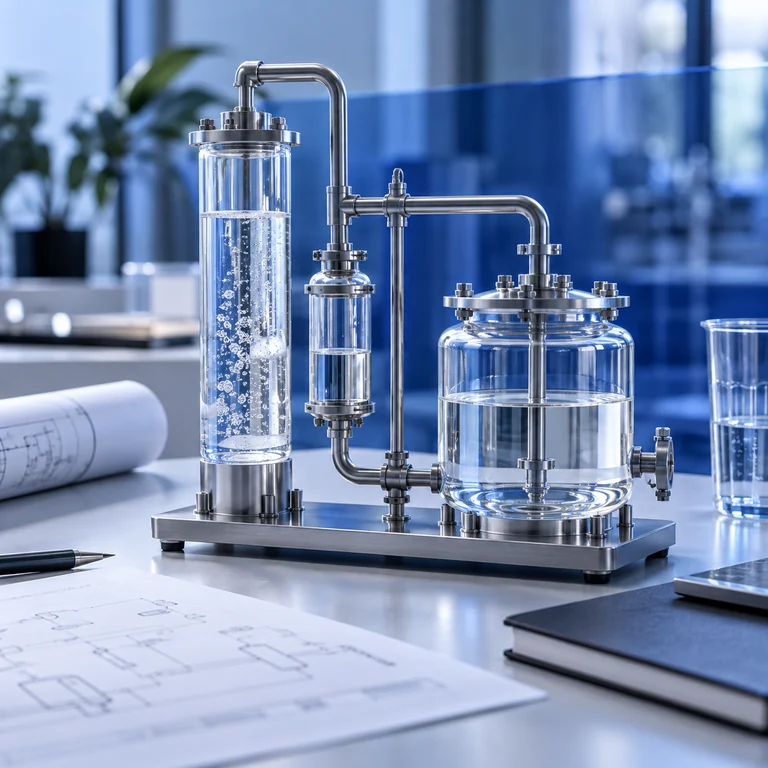
What process basis will the design need?Conceptual technical imagery · Process Engineering
Process Engineering
What process basis will the design need?
Turn process requirements into a structured basis for engineering decisions. Explore alternatives, calculations and the relationships between equipment, piping and operating conditions.
Useful starting information
Process objectives, available flow diagrams, operating ranges, material properties and existing equipment information.
Possible agreed study documents
Design basis and documented process calculations
Process flow diagrams and equipment or piping study notes
Options comparison with assumptions and open questions
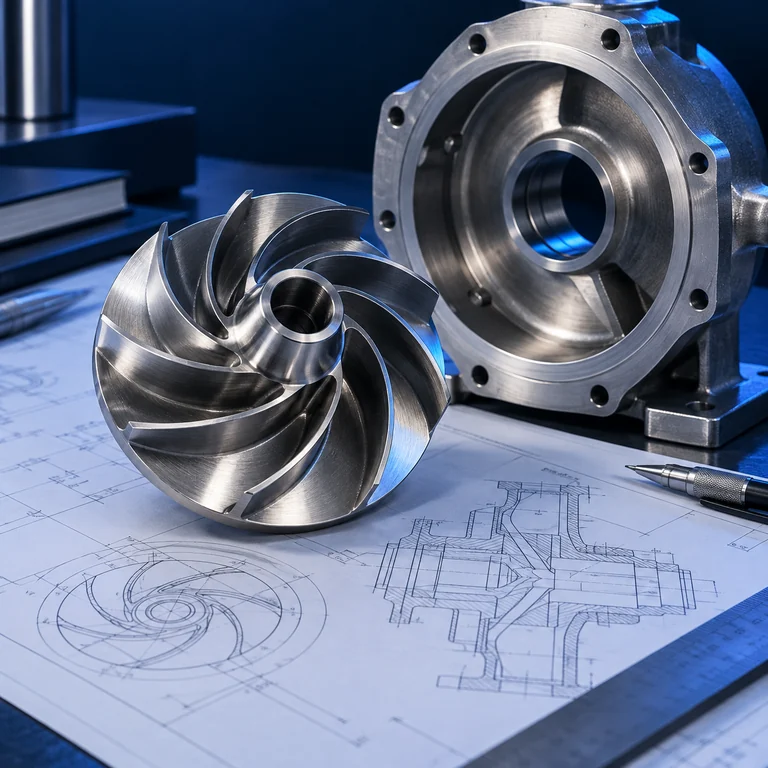
What requirements should the equipment study examine?Conceptual technical imagery · Equipment & Mechanical
Equipment & Mechanical
What requirements should the equipment study examine?
Clarify what equipment needs to accommodate. Review the available equipment information and calculation basis against the process conditions. Record assumptions and questions for the responsible design team.
Useful starting information
Equipment information, process conditions and available calculation files.
Possible agreed study documents
Equipment requirement notes
Calculation review comments and questions for further review
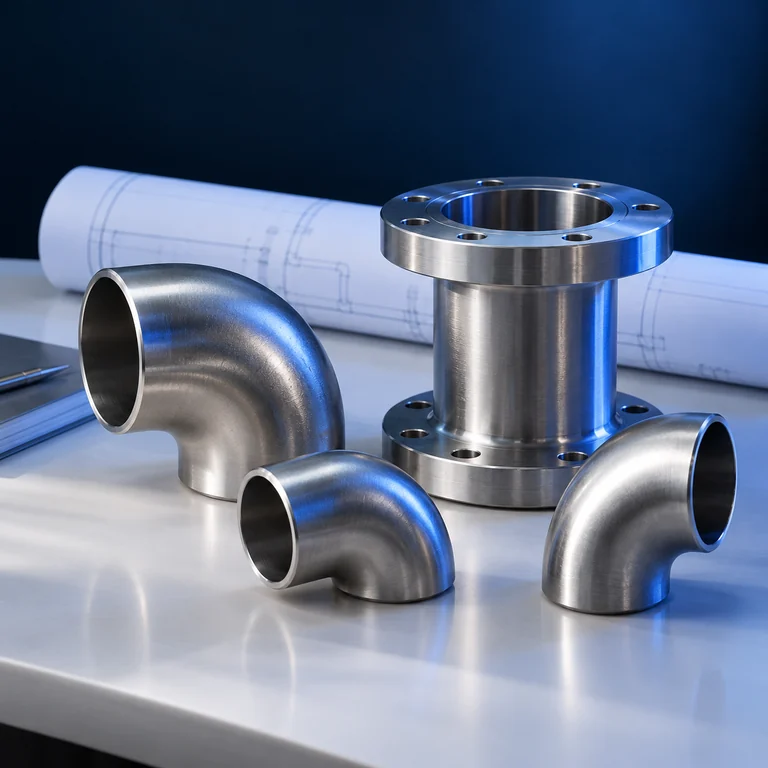
How do piping connections fit the design basis?Conceptual technical imagery · Piping & Layout
Piping & Layout
How do piping connections fit the design basis?
Examine in-plant piping connections, routes and design interfaces. Use the available drawings and process conditions to identify points that need clarification in the design.
Useful starting information
Piping drawings, available layouts, connection information and process conditions.
Possible agreed study documents
In-plant piping study notes
Annotated drawings and documented design questions
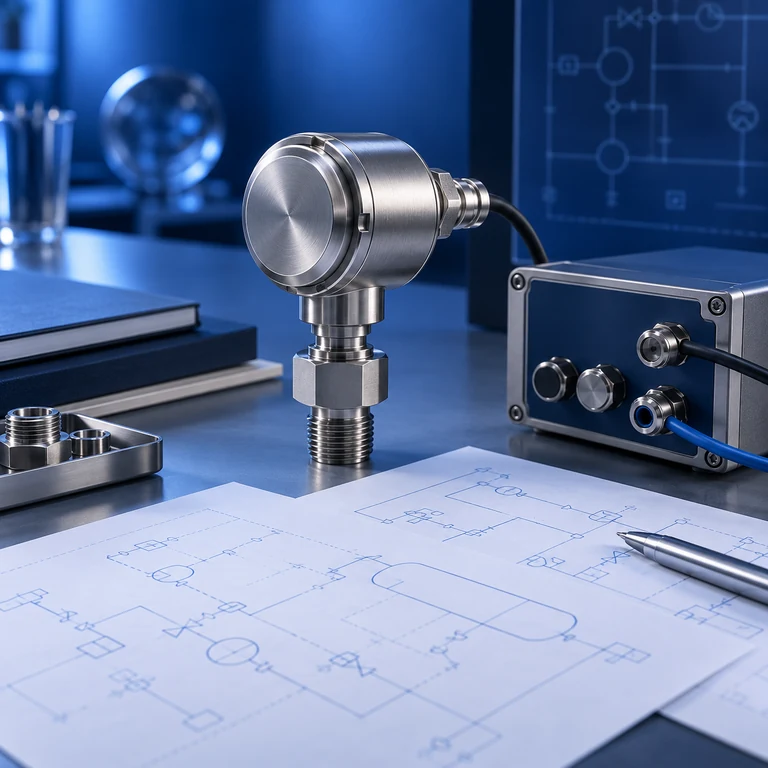
What must the defined safety function do?Conceptual technical imagery · Instrumentation & Control
Instrumentation & Control
What must the defined safety function do?
Connect intended safety functions with process information and documented safeguards. A scoped assessment or emergency shutdown study clarifies the basis and questions requiring confirmation.
Useful starting information
Process diagrams, intended safety functions, relevant hazard findings and documented safeguards.
Possible agreed study documents
Safety Integrity Level (SIL) assessment or study notes, where agreed
Which scenarios and safeguards need review?Conceptual technical imagery · Process Safety
Process Safety
Which scenarios and safeguards need review?
Examine process hazards and the intended role of safeguards. A structured study connects scenarios, design information and the questions that need further review.
Useful starting information
Process descriptions, current piping and instrumentation diagrams (P&IDs), operating scenarios, safeguard information and the relevant team’s knowledge.
Possible agreed study documents
Hazard and Operability Study (HAZOP) or Process Hazard Analysis (PHA) worksheets and a recorded action list
Bowtie diagrams and documented safeguard observations
Findings, assumptions and recommendations are documented for your team and the specialists responsible for the next stage. The scope, methods and documents are agreed for each engagement. Images illustrate study topics, not client projects.
These are potential study documents. The final document set is agreed to suit the study scope and available information.
Studies that connect disciplines
Open a scope for more detail, including risk assessment and design review across disciplines.
Process design — what the study examines+
Example questionWhich process route deserves a closer look?
Start with the process objective and the conditions it must accommodate. Study material and energy balances, equipment requirements and in-plant piping against a documented design basis.
Options, feasibility and troubleshooting can be examined within a focused scope. Confirm the information available and which calculations or drawings will support the next design decision.
An options comparison can show the assumptions, differences and information gaps before your team selects a route.
Example questionWhat could go wrong, and which safeguards matter?
Define the process boundary, intended operation and the scenarios to examine. Choose the hazard review method around that question and the design information available.
The review can connect causes, consequences and documented safeguards. Emergency shutdown considerations or a defined safety function may need a separate assessment. Explore the method guide below to understand the differences.
A hazard review can record the scenarios, safeguards, questions and actions for the responsible team.
Define the event and the question before choosing the analysis. Depending on the agreed scope, specialist work may examine fire, explosion, smoke control or evacuation scenarios.
Incident and root cause analysis can examine the evidence behind an event. State the scenario boundaries and model assumptions so the reader understands where the findings apply.
Useful starting information
Defined study boundaries, relevant drawings and layouts, material information, incident records and available site data.
Potential agreed deliverables
Scenario register and documented risk assessment
Specialist calculation or modeling report, where scoped
Prioritized observations with uncertainties and review actions
Example questionDo the drawings and calculations tell the same story?
Select the documents, revisions and review criteria together. Examine calculations, process design, equipment, piping or safety information for a defined decision.
Link each finding to its source. Distinguish inconsistent information, missing evidence and questions requiring further analysis. Review depth depends on the agreed scope and documents available.
Useful starting information
Available design documents and revisions, calculation files, study objectives and the criteria agreed with your team.
Potential agreed deliverables
Annotated drawings and technical review comments
Calculation review with findings and evidence references
Issue register and recommendations for the next design decision
An issue register can connect each observation with its source, required clarification and next review.
Explore the decisions, engineering work and project documents that can develop from an opportunity to operation.
Illustrative project pathwayFollow a capacity-increase idea through the decisions, documents and estimate basis of each phase.
Phase names and project gates vary. Estimate classes depend on actual definition maturity; the phase associations are indicative.
Read all eight educational phases below. Project boundaries and OSVARD’s study or review scope are agreed with your team.
01 / Opportunity / ScreeningILLUSTRATIVE
Early screeningBlock-flow diagram
Feed → process functions → product
Supporting recordCapacity basis
What the opportunity needs to achieve
Supporting recordTechnology screening
Options and rough utility needs
Screening records define the questions to explore.
Symbolic document covers and indexes · No technical values or client documents.
Screen the opportunity.
Common terms
Idea / Screening Study
Main question
Is this opportunity worth exploring?
Process engineering work
Outline capacity needs, feed and product requirements, and possible technology options.
Typical documents
Block-flow diagram (BFD)
Capacity basis
Rough utility requirements
Technology screening
Indicative cost-estimate accuracy
Class 5 is an indicative screening association when definition is limited.
Indicative AACE accuracy: ranges of possible lower and upper bounds, not a fixed project margin.
AACE class
Lower-bound range
Upper-bound range
Class 5
−50% to −20%
+30% to +100%
Process-industry CAPEX, after appropriate contingency at 80% confidence. Each column gives possible bounds; a project-specific range needs risk analysis.
02 / Feasibility StudyILLUSTRATIVE
Preliminary comparisonFeasibility comparison
Technical options, assumptions and cost context
Supporting recordPreliminary PFD
A document cover; process detail is still developing
Supporting recordMass-balance record
Preliminary feed and product accounting
Related record: preliminary capital and operating cost estimates (CAPEX/OPEX).
Symbolic document covers and indexes · No technical values or client documents.
Examine feasibility.
Common terms
Feasibility / Concept Study
Main question
Is it technically and economically feasible?
Process engineering work
Develop a mass balance, compare technologies and identify preliminary process conditions.
Typical documents
Preliminary block-flow and process-flow diagrams (BFD/PFD)
Mass balance
Preliminary equipment list
Preliminary capital and operating cost estimates (CAPEX/OPEX)
Indicative cost-estimate accuracy
Class 4–5 may be considered, depending on the maturity of the information.
Indicative AACE accuracy: ranges of possible lower and upper bounds, not a fixed project margin.
AACE class
Lower-bound range
Upper-bound range
Class 5
−50% to −20%
+30% to +100%
Class 4
−30% to −15%
+20% to +50%
Process-industry CAPEX, after appropriate contingency at 80% confidence. Each column gives possible bounds; a project-specific range needs risk analysis.
03 / Conceptual Process DesignILLUSTRATIVE
Selected process conceptDesign Basis
Objectives, conditions and working assumptions
Supporting recordProcess-flow diagram
The selected process concept
Supporting recordHeat & material balance
Process accounting behind the concept
Related records: equipment list, utility summary and preliminary plot plan.
Symbolic document covers and indexes · No technical values or client documents.
Select the process concept.
Common terms
Conceptual Engineering / Concept Select
Main question
What process are we going to develop?
Process engineering work
Use process simulation, heat and material balances, equipment sizing and utility integration to develop the concept.
Typical documents
Design Basis
Process-flow diagram (PFD)
Heat and material balance (H&MB)
Equipment list and utility summary
Preliminary plot plan
Indicative cost-estimate accuracy
Class 4 is an indicative association. The actual information basis must be assessed.
Indicative AACE accuracy: ranges of possible lower and upper bounds, not a fixed project margin.
AACE class
Lower-bound range
Upper-bound range
Class 4
−30% to −15%
+20% to +50%
Process-industry CAPEX, after appropriate contingency at 80% confidence. Each column gives possible bounds; a project-specific range needs risk analysis.
04 / Pre-FEEDILLUSTRATIVE
Developing definitionUpdated PFD
Refined process information
Supporting recordPreliminary P&ID
Piping and instrumentation detail is developing
Supporting recordMajor equipment datasheets
Equipment requirements and interfaces
Related records: plot plan, utility-system information and control / safety review.
Symbolic document covers and indexes · No technical values or client documents.
Define the concept and scope.
Common terms
Concept Definition / FEL-2
Main question
Is the concept buildable, and is the scope clear enough?
Process engineering work
Refine simulation and equipment sizing. Examine the control philosophy and safety questions.
Typical documents
Updated PFD
Preliminary piping and instrumentation diagram (P&ID)
Major equipment datasheets
Plot plan
Utility system definition
Indicative cost-estimate accuracy
Class 4 may move toward Class 3 as scope and definition mature.
Indicative AACE accuracy: ranges of possible lower and upper bounds, not a fixed project margin.
AACE class
Lower-bound range
Upper-bound range
Class 4
−30% to −15%
+20% to +50%
Class 3
−20% to −10%
+10% to +30%
Process-industry CAPEX, after appropriate contingency at 80% confidence. Each column gives possible bounds; a project-specific range needs risk analysis.
05 / FEED / Basic EngineeringILLUSTRATIVE
Controlled design basisDeveloped P&ID
The defined process and instrumentation basis
Supporting recordLine & instrument lists
Names and requirements linked to the basis
Supporting recordHAZOP worksheet
Recorded hazards, safeguards and review actions
Related records: frozen PFD, equipment datasheets, plot plan and specifications.
Symbolic document covers and indexes · No technical values or client documents.
Is the basis ready for funding approval or tender planning?
Process engineering work
Agree and freeze the process basis. Develop hydraulics, controls, relief-system and utility requirements.
Typical documents
Frozen PFD and developed P&ID
Equipment datasheets
Line list and instrument list
Plot plan
Hazard and Operability Study (HAZOP)
Specifications
Indicative cost-estimate accuracy
Class 3 is an indicative association, subject to the actual definition and estimate basis.
Indicative AACE accuracy: ranges of possible lower and upper bounds, not a fixed project margin.
AACE class
Lower-bound range
Upper-bound range
Class 3
−20% to −10%
+10% to +30%
Process-industry CAPEX, after appropriate contingency at 80% confidence. Each column gives possible bounds; a project-specific range needs risk analysis.
Funding and tender readiness depend on the criteria agreed for the project.
06 / Detailed EngineeringILLUSTRATIVE
Wider project team · Coordinated detailCoordinated detail index
Project drawings and calculation files
Supporting recordPiping detail documents
Isometrics and pipe-support drawings
Supporting recordMultidisciplinary drawings
Civil, structural, electrical and instrument detail
OSVARD may review selected calculations or drawings within the agreed scope.
Symbolic document covers and indexes · No technical values or client documents.
Develop the project detail.
Common terms
Detail Design / EPC Engineering
Main question
Which coordinated details are needed for construction?
Process engineering work
The wider project engineering team completes final calculations and coordinated multidisciplinary design.
Typical project documents
IFC P&ID and piping isometrics
3D model and pipe-support drawings
Civil and structural drawings
Electrical and instrument drawings
Indicative cost-estimate accuracy
Class 2 may move toward Class 1 as scope, quantities and pricing become better defined.
Indicative AACE accuracy: ranges of possible lower and upper bounds, not a fixed project margin.
AACE class
Lower-bound range
Upper-bound range
Class 2
−15% to −5%
+5% to +20%
Class 1
−10% to −3%
+3% to +15%
Process-industry CAPEX, after appropriate contingency at 80% confidence. Each column gives possible bounds; a project-specific range needs risk analysis.
OSVARD’s scoped contributionSelected technical studies and calculation or drawing review, with documented recommendations within an agreed scope.
07 / IFC / Construction PackageILLUSTRATIVE
Responsible project team · Issuance recordIFC release register
Document · Revision · Issue purpose
Supporting recordMaterials take-off / BOM
Materials records linked to project documents
Supporting recordVendor & specification records
Vendor drawings and construction specifications
Illustrative issue purpose: Issued for Construction (IFC). This board is not a released construction package.
Symbolic document covers and indexes · No technical values or client documents.
Identify the released project documents.
Common terms
Issued for Construction
Main question
Which documents does the contractor use to build?
Process engineering work
The responsible project team manages issued documents, engineering support and field or design queries.
Typical project documents
IFC drawings
Materials take-off / bill of materials (MTO/BOM)
Construction specifications
Vendor drawings
Indicative cost-estimate accuracy
Often Class 1 / control-estimate use when the information supports it. IFC status alone does not assign an estimate class.
Indicative AACE accuracy: ranges of possible lower and upper bounds, not a fixed project margin.
AACE class
Lower-bound range
Upper-bound range
Class 1
−10% to −3%
+3% to +15%
Process-industry CAPEX, after appropriate contingency at 80% confidence. Each column gives possible bounds; a project-specific range needs risk analysis.
OSVARD’s scoped contributionAdvisory review of selected technical documents. The responsible project team controls IFC issuance and the contractor’s construction package.
08 / Construction & CommissioningILLUSTRATIVE
Contractor / operator · Handover recordsAs-built revision index
The project’s recorded document revisions
Supporting recordOperating data
Information recorded for operation
Supporting recordCommissioning procedures
The responsible team’s procedure documents
Handover record types are shown; no site work or completed project is depicted.
Symbolic document covers and indexes · No technical values or client documents.
Follow delivery and handover.
Common terms
EPC Construction / Pre-commissioning / Start-up
Main question
Has the project been built, and can it operate as intended?
Process engineering work
Appointed contractors and the operator carry out construction, engineering support, punch-list work, pre-commissioning, commissioning and start-up.
Typical project documents
As-built drawings
Operating data
Commissioning procedures
Indicative cost-estimate accuracy
Track actual cost and, before completion, forecast the remaining cost.
Actual cost+ forecast of remaining work
Actual expenditure has no estimate-accuracy percentage. The remaining work still requires its own forecast and risk review.
OSVARD’s scoped contributionScoped technical studies and document review for the responsible delivery team. Construction and commissioning are contractor and operator activities.
Inside a technical study
See the thinking behind the report.
Explore a simplified process-options study. Each part shows what a useful technical document makes clear.
Read the six parts of the illustrative study below.
OSVARD / TECHNICAL STUDY
Illustrative studyNo client data or project results.
Study example · Comparing two process routes
01 / QUESTION
Define the decision.
Make the purpose and boundary clear from the first page.
EXAMPLE STUDY NOTE
Compare two proposed process routes. Identify what needs to be understood before developing one further.
The reader knows what the study is intended to support.
02 / INFORMATION
Show the information basis.
Record what is available and where it came from.
EXAMPLE STUDY NOTE
List the process descriptions, flow diagrams, material data and document revisions used in the comparison.
The analysis can be traced back to its inputs.
03 / ASSUMPTIONS
Make the gaps visible.
Separate confirmed information from working assumptions.
EXAMPLE STUDY NOTE
Identify proposed operating conditions and missing information. State which assumptions may need to be revisited.
The reader can see what still needs confirmation.
04 / ANALYSIS
Compare on a consistent basis.
Examine both options using the same agreed criteria.
EXAMPLE STUDY NOTE
Compare process requirements, material and energy needs, equipment implications and safety questions. Record the calculation basis and limits.
The comparison is easier to understand and review.
05 / FINDINGS
Explain what the evidence supports.
Distinguish a finding from an unanswered question.
EXAMPLE STUDY NOTE
Summarize the differences between the routes. Highlight findings that depend on information or assumptions still to be confirmed.
The conclusions stay connected to the available evidence.
06 / NEXT STEPS
Connect the report to the next review.
Turn the findings into questions for the responsible team.
EXAMPLE STUDY NOTE
Agree which information to confirm and whether further study is needed before choosing the route to develop.
The report helps the team discuss a practical next step.
QUESTION · BASIS · FINDINGSILLUSTRATIVE STUDY NOTE
Part 1 of 6
From your question to a documented view.
Connect process information, design and safety questions with the next decision.
01
Frame the question
Agree the decision, scope, methods and people involved.
02
Build the basis
Review documents and data; record assumptions and gaps.
03
Study the detail
Examine the agreed calculations, reviews or models.
04
Discuss the findings
Review comments, open items and next decisions with your team.
How the report records its basis and review+
Agree the review arrangements and document detail for each engagement.
Traceable information
Identify source documents, revisions and data used.
Visible assumptions
State working assumptions, information gaps and limits.
Defined checks
Agree what is checked, who reviews it and how the review is recorded.
Recorded outcomes
Link comments to findings, responses, revisions and open questions.
Choose a useful method
Different methods. Different questions.
Start with the process and the question. Open a method to see the information it needs and what its findings can support.
The method, information requirements and limits are agreed for each study.
Hazard and Operability Study (HAZOP)What could happen when a process departs from its intended operation?
+
Useful inputs
Process intent, current piping and instrumentation diagrams, operating information and team knowledge.
Possible document
Worksheets recording deviations, causes, consequences, safeguards and actions.
Interpretation
Findings depend on the study boundary, document detail and information contributed during the review.
Process Hazard Analysis (PHA)Which hazards and consequences need review in a defined process?
+
Useful inputs
A process description, material information, operating conditions, drawings and team knowledge.
Possible document
A hazard review with scenarios, observations and follow-up actions.
Interpretation
PHA is a broader review activity. The chosen method and level of detail need to fit the process and information.
BowtieHow do causes, an unwanted event, consequences and safeguards connect?
+
Useful inputs
A defined event, possible causes and consequences, and preventive or mitigating safeguards.
Possible document
A Bowtie diagram with safeguard observations and review items.
Interpretation
The diagram shows relationships. It does not by itself establish that every safeguard is effective.
Safety Integrity Level (SIL)What performance is required of a defined safety instrumented function?
+
Useful inputs
Relevant hazard findings, defined safety functions and the design information required for the assessment.
Possible document
A scoped assessment or study note stating its basis and items needing confirmation.
Interpretation
It is part of the work around a safety function. Design, verification and validation need their own defined scope.
Fire, explosion & evacuation modelingWhat may happen under a specified scenario and set of assumptions?
+
Useful inputs
Scenario definitions, relevant layouts, material or occupancy data, and agreed model inputs.
Possible document
A scenario report explaining inputs, findings, comparisons and limitations.
Interpretation
Results depend on the selected scenarios and assumptions. Evacuation models do not predict exactly how people will behave.
Find your starting point
What would you like to understand?
Choose a question, your current stage and the information available. Explore a suggested study focus before starting a conversation.
Use this context when you talk to OSVARD. The contact link does not transmit your selections.
A clear scope, from the start.
Practical questions about studies, information and responsibilities.
What is OSVARD’s role in an engineering project?+
Our role is technical consulting: engineering studies, safety analysis, drawings, calculations and review reports within an agreed scope. We provide the documented basis for your decisions. Site execution, procurement, construction, commissioning and operation remain with your appointed delivery teams.
What information do we need to bring?+
Start with the question you need to answer and the documents you have: process descriptions, flow diagrams, P&IDs, layouts, equipment information or previous studies. We can begin by identifying gaps and agreeing an information request. The available evidence determines the depth of a useful study.
Can you review an existing design or an individual issue?+
Yes. A scope can focus on an existing process, design document, calculation or technical issue. Agree the review boundaries, document revisions and assessment criteria at the outset. A focused study can record findings, assumptions and questions for the responsible design team.
How do you choose a safety study method?+
The method depends on the question, process hazards and information available. HAZOP, PHA, Bowtie and SIL assessment address different aspects of process safety. Specialist fire, explosion or evacuation analysis may be appropriate for a defined scenario. The selected method and its limitations should be recorded in the agreed scope.
Will the study provide approval or certify that a system is safe?+
A study provides findings and recommendations within its defined scope. It does not by itself certify a facility, guarantee safety or replace statutory approval. Your responsible engineers and relevant authorities determine what validation, approvals and subsequent work are required.
Learning & development
Deepen technical understanding. Strengthen the review.
Explore learning in process engineering and safety, helping teams ask clearer technical questions and understand the basis of a study.
Process engineering
Process safety
Risk awareness
OSVARDCompetency
Learning pathways and programmes shaped around your team's priorities.