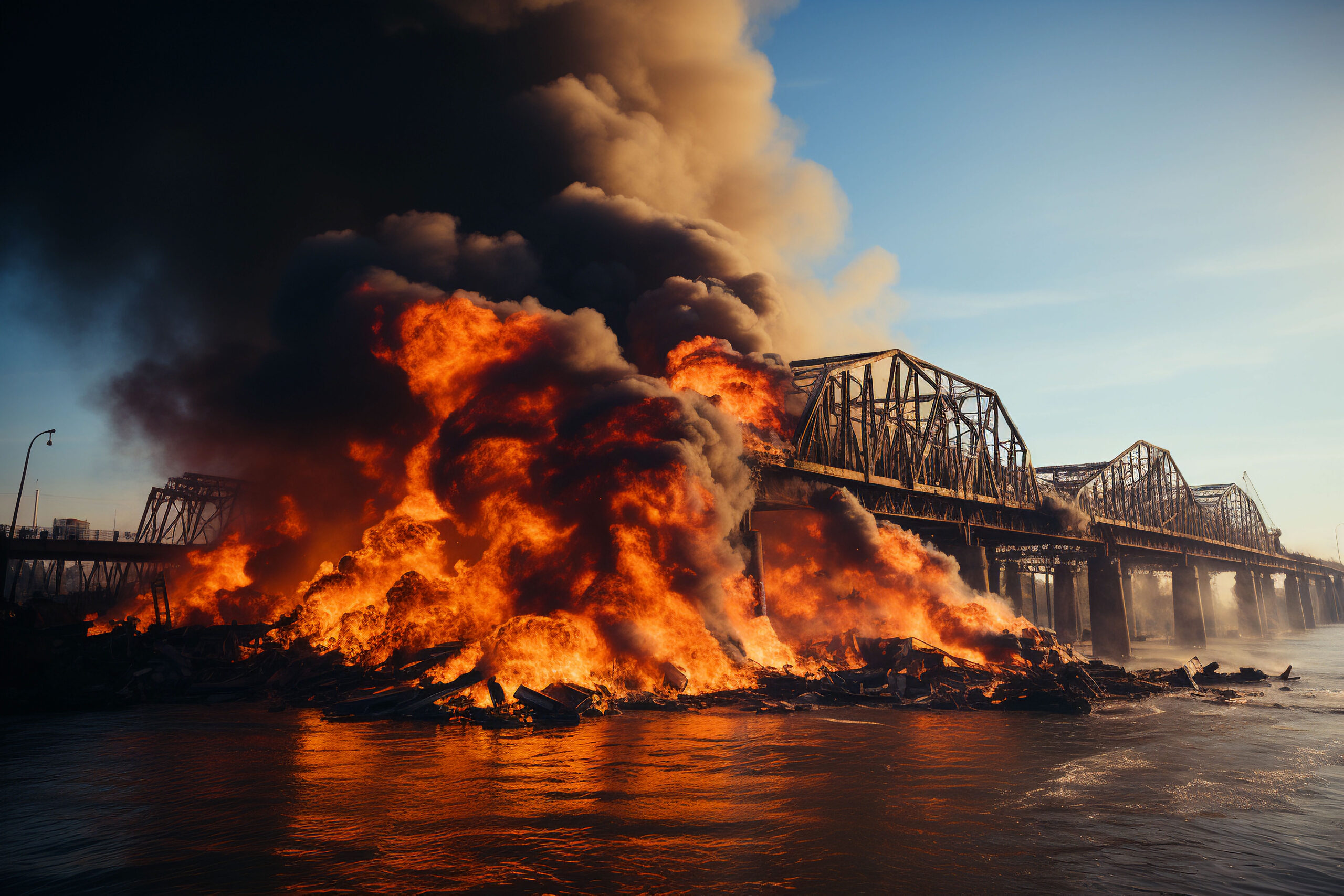

Alarge petrochemical facility planned to expand its processing unit to meetincreased production demand. The project involved installing a new reactor andassociated piping, which required modifications to existing systems. Managementwas eager to complete the project speedily to minimize downtime and maintainprofitability, which influenced the risk assessment approach by necessitatingfaster yet thorough evaluations to prevent potential delays from safetyincidents. However, the expansion introduced new risks, particularly withhandling flammable and toxic chemicals under high pressure and temperature.
Toensure safety, the engineering team carried out a detailed risk assessment toidentify potential hazards, evaluate their consequences, and implementmitigation measures. This case study demonstrates how proactive risk assessmenthelped prevent a major incident.
Beforeconstruction began, the risk assessment team must identify potential hazardsand ensure a comprehensive understanding of the risks. Through HazardIdentification (HAZID), they reviewed past incidents involving similarexpansions and pinpointed risks such as leaks, overpressure events, andequipment failures, highlighting the importance of learning from historicalevents to improve the credibility and accuracy of risk detection. The Hazardand Operability Study (HAZOP) involved a detailed examination of processflow diagrams (PFDs) and piping and instrumentation diagrams (P&IDs) toassess scenarios like blocked valves, pump malfunctions, and chemical reactionimbalances. Additionally, the team applied Failure Mode and Effects Analysis(FMEA) to evaluate critical equipment, including pressure vessels, heatexchangers, and control valves, identifying failure modes that could lead tohazardous conditions such as runaway reactions and uncontrolled pressurebuildup. Together, these assessments provided a robust framework for addressingsafety challenges in the project.
Tomitigate the identified risks, the engineering team implemented severaltargeted measures. Pressure relief systems, including a safety reliefvalve and an emergency vent stack, were installed to control overpressurescenarios, while pressure sensors integrated into the control system triggeredautomatic shutdowns in the event of abnormal pressure increases. To prevent leaks,high-quality materials were used for gaskets and piping connections, andradiographic and ultrasonic weld integrity tests were conducted to ensuresystem reliability. Thermal expansion risks were addressed byincorporating expansion loops and flexible joints to accommodatetemperature-induced growth and prevent stress fractures. Operator trainingwas enhanced through simulations replicating emergency scenarios, whichimproved their ability to respond swiftly and effectively during criticalsituations. Standard operating procedures (SOPs) were updated with detailedprotocols for startup, shutdown, and emergency response, providing operatorswith clear guidance that minimized errors and enhanced performance underpressure. Finally, the facility established a routine schedule for safetyinspections and risk reassessments to maintain continuous compliance withsafety standards, thereby ensuring ongoing risk management.
Severalmonths after the expansion, the effectiveness of the risk assessment wasdemonstrated during a planned startup. Operators, who had been trained tohandle such emergencies through detailed simulations, observed and quicklyresponded to an unexpected pressure spike in the new reactor. Operatorsobserved an unexpected pressure spike in the new reactor. Thanks to theinstalled sensors and automatic safety systems, the reactor was vented safelybefore reaching critical pressure levels, preventing a potential explosion. Inaddition, routine inspections detected minor corrosion on a section of the newpiping near a high-temperature zone. The thermal expansion joints had preventeda rupture, and early detection allowed maintenance crews to replace thecorroded section before it posed a serious risk.
Thiscase study underscores the critical role of risk assessment in safetyengineering and encourages the broader adoption of best practices to ensurethat industries can effectively prevent incidents and enhance both safety andoperational efficiency. By proactively identifying hazards and implementingappropriate mitigation measures, the facility successfully reduced the likelihoodof severe incidents, preventing dangerous situations before they couldescalate. Downtime was minimized as potential failures were addressed early,ensuring consistent operations. Worker safety improved through enhancedtraining programs and updated procedural protocols, while regulatory compliancewas strengthened, helping the facility avoid costly fines and reputationaldamage. The project demonstrated that risk management is not a one-time effortbut a continuous process of evaluation and improvement. Through carefulplanning and engineering, the facility showed that safety and productivity caneffectively coexist, reinforcing the importance of ongoing vigilance inmaintaining operational integrity.